


Red Maples – the Kings of Crimson
June 22, 2026


By Anthony D. Fredericks, guest blogger
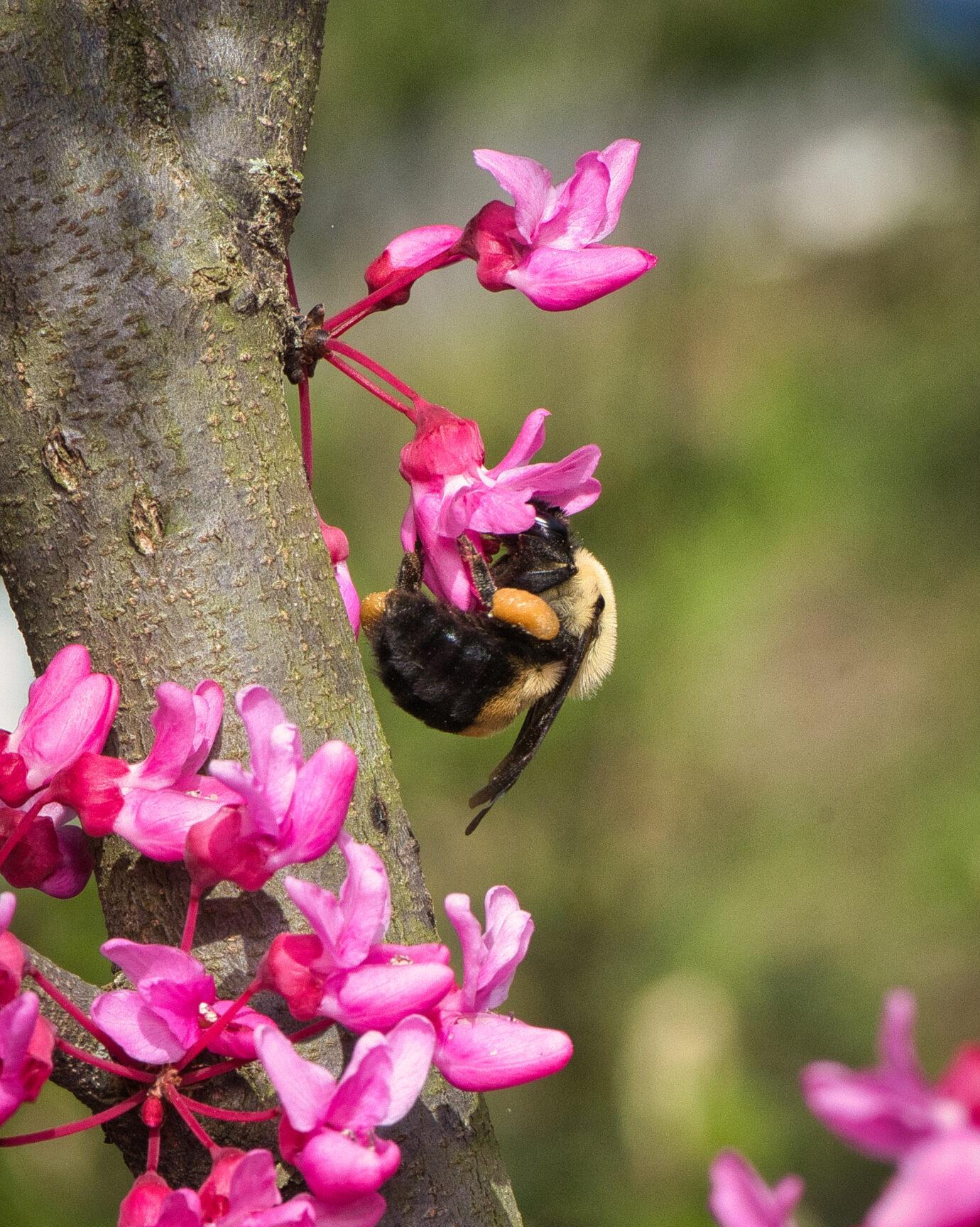
Red leaves in autumn; red flowers in spring; and red twigs, buds, and stems make red maples (Acer rubrum) arboreal monarchs of many ecosystems. According to the U.S. Forest Service this signature species is the most abundant native tree throughout the eastern U.S. (as well as in several Natural Lands preserves) thriving in environments as diverse as swampy wetlands and dry upland forests, and everything in between. Interestingly, they are also some of the first trees to flower in late winter and early spring (from December to May), often before their leaves even appear. This makes them an important food source for a multitude of pollinators. But their distinctive features don’t stop there. Let’s take a look.
- Native Americans used red maple bark as a wash for inflamed eyes and cataracts, and as a remedy for hives and muscular aches. They brewed tea from the inner bark to treat coughs and diarrhea.
- Some regional folklore described the red sap and autumn leaves as the “blood” or life force of the tree. This often tied into broader beliefs that trees are living beings with spirits or energy.
- Early pioneers used red maple wood for furniture, crates, construction projects, and firewood. They also made cinnamon-brown and black dyes from a bark extract. Red maples were also tapped for maple sugar production (although they’re not as sugar rich as sugar maples).
- Considered fast growing, red maples have a growth range between one to three feet per year. They typically take around 25 years to reach their full height, eventually standing between 40 and 60 feet tall with an overall spread between 35 and 45 feet. The tallest known specimen is near Sevierville, Tennessee, rising to a total height of 143 feet.
- These trees have a maximum lifespan of about 150 years, but most live fewer than 100 years. The largest known red maple is located outside Armada, Michigan with a height of 125 feet and a bole circumference of 16 feet, three inches.
- Red maples are polygamodioecious, that is some individuals are male, some female, and some both male and female (monoecious). Under certain environmental conditions, these trees can sometimes switch from male to female, male to hermaphroditic, and hermaphroditic to female.
- Famous for their vivid red foliage in autumn; their fall colors can also range from yellow to orange to deep crimson depending on genetics and weather conditions. As such, red maples are ideal for landscaping projects. Nevertheless, their wood is somewhat softer than other species and, thus, prone to storm damage.
- The leaves are deciduous and arranged oppositely on twigs. They are typically two to four inches long, serrated edges, and three to five palmate lobes. Some leaves have shallow lobes, while others are more deeply cut, even on the same tree. Interestingly, dead or wilted red maple leaves are extremely toxic to horses. The toxin damages red blood cells, causing acute oxidative hemolysis, thus inhibiting the transport of oxygen.
- Although the red maple was voted as the state tree by Rhode Island’s school children in the 1890’s, it was not officially recognized as the state tree by the General Assembly until March 6, 1964.
Anthony D. Fredericks (www.anthonydfredericks.com) is the best-selling author of In Search of the Old Ones: An Odyssey among Ancient Trees (Smithsonian Books, 2023). He lives in York, PA.
next post


<em>Natural Lands Magazine</em> – Spring/Summer 2026
June 15, 2026
Check out the latest issue of our magazine.
continue reading