


vote for open space
Help your community achieve its open space goals by putting conservation on the ballot.

is your community ready to invest in conservation?
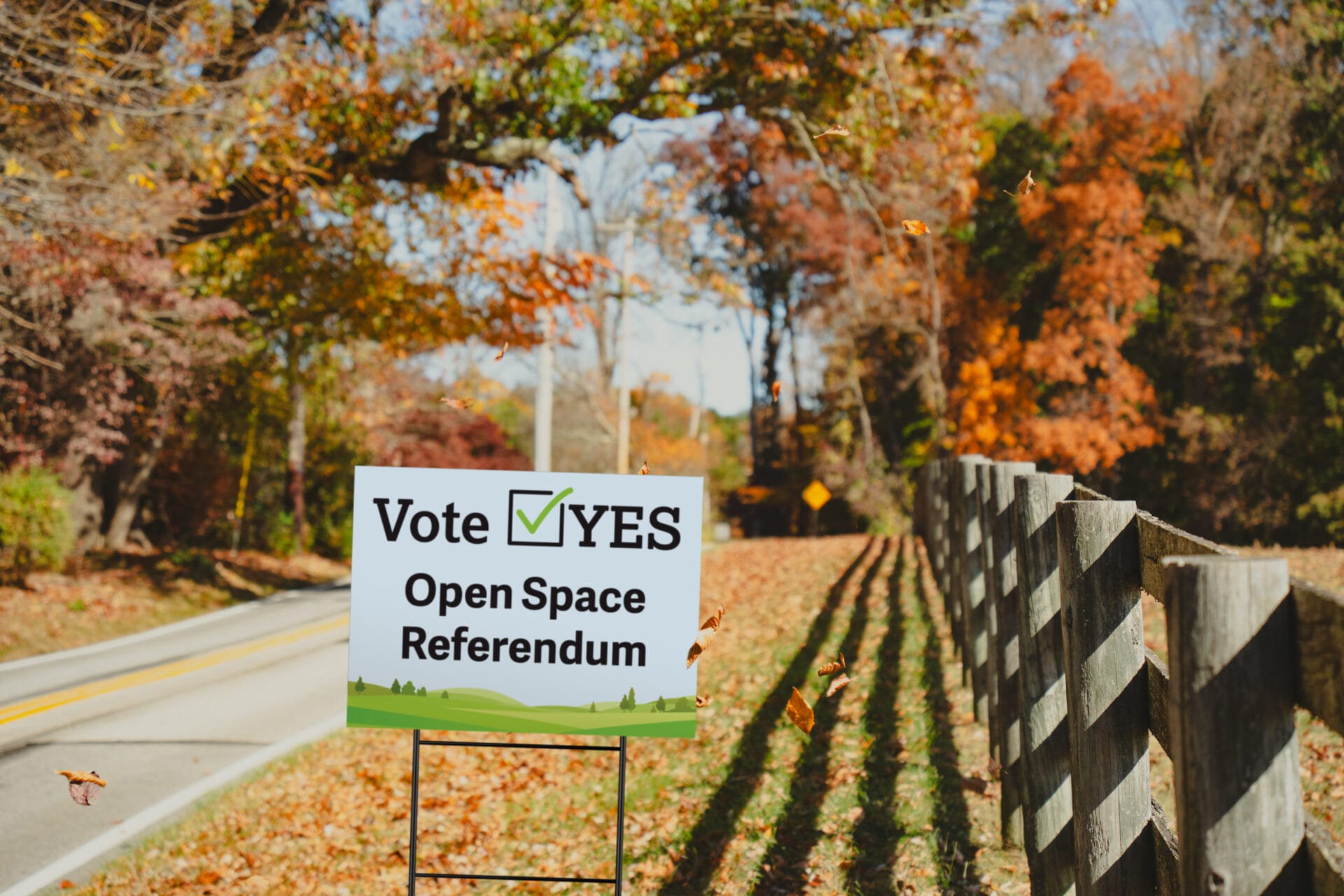
An open-space referendum asks voters to vote yes or no to authorize a dedicated open space tax. Dozens of townships have established dedicated open space funds through this kind of ballot initiative. These funds may be used to protect your township’s remaining scenic landscapes and care for existing parks and open spaces. These protected funds allow your municipality to act nimbly when opportunities arise to purchase open space in fee or conservation easements from willing landowners.
resources for community advocatesRead below to understand the essential steps municipal staff can take to bring the question to the voters.
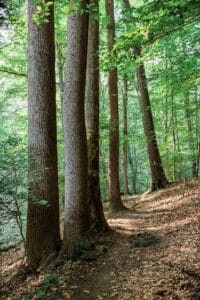
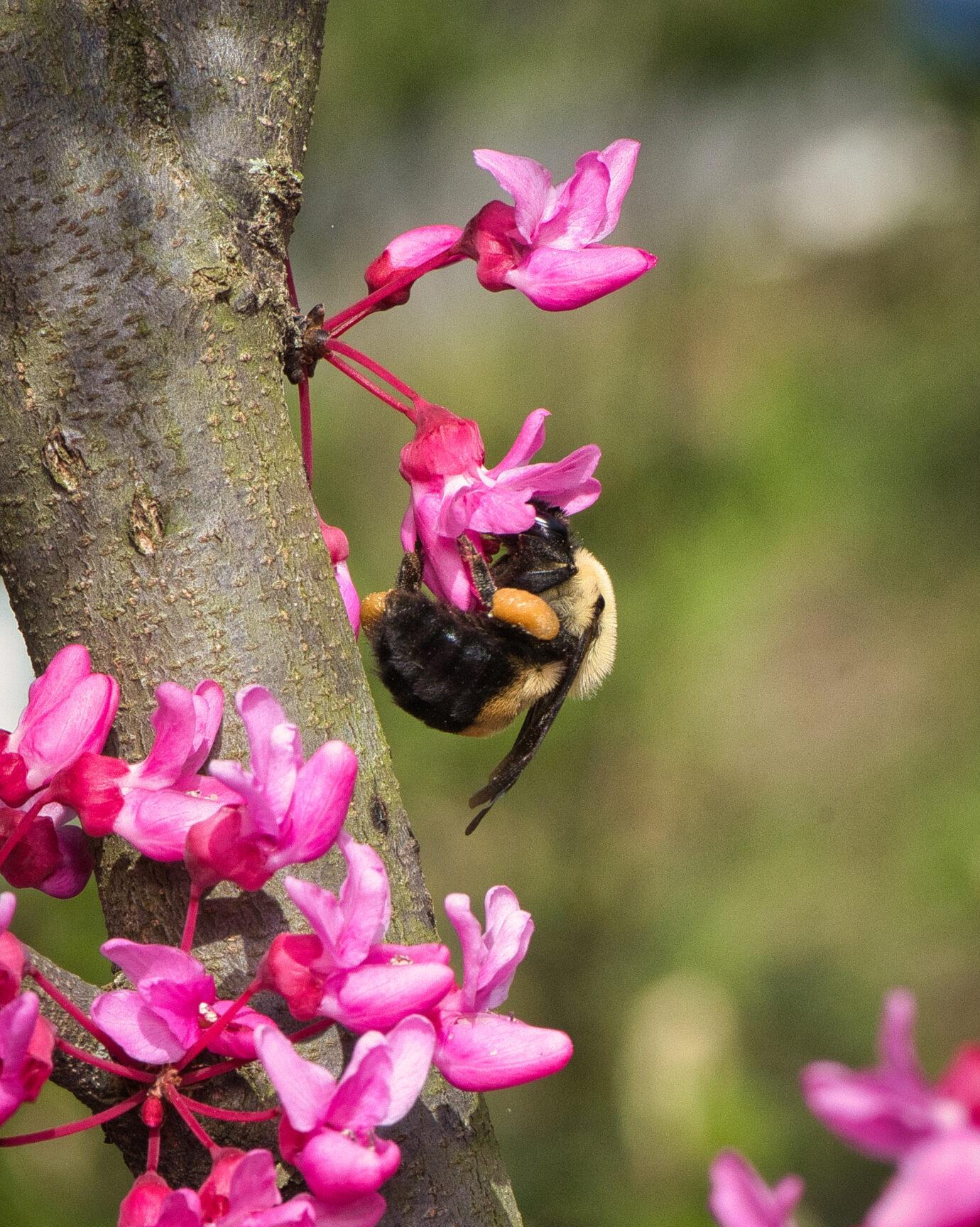
Photo by Taproot Photography
task 1: prepare ordinance and referendum
Timeline: Begin process 12 months before the election.
Identify revenue goals and corresponding tax methods. Incremental increases to the earned income tax or the real estate tax—or a combination of the two—are common methods.
Draft language for the ordinance the governing body must pass to have the question placed on the ballot.
Draft the ballot referendum language—the question that will be asked of voters.
Create open space map to identify unprotected land that may be considered for preservation or for development.
With township board of supervisors, seek approval of the ordinance required to have the question placed on the ballot:
Supervisor meeting 1: Introduce the ballot language and justifications for the ballot measure including proposed rate increases. This could include a description of what land has already been protected in your township, a discussion of which developable lands remain that could be candidates for a future conservation project, a description of several conservation projects in the region to illustrate how conservation works and why municipal money is vital to the process.
Supervisor meeting 2: Seek to authorize advertisement of the ordinance authorizing the submission of the ballot referendum to the county board of elections
Supervisor meeting 3: Seek to enact ordinance authorizing the submission of the ballot referendum to the county board of elections.
If ordinance passes, file the ballot question with the county board of elections at least 13 Tuesdays before the next primary or general election.
Publish election notices in local newspapers and legal journals between beginning no earlier than three weeks before the election but no later than two weeks before the election.
Prepare educational materials: Develop a FAQ sheet, public educational materials, and talking points regarding why the Township is holding the referendum and outlining benefits to residents.
Prepare staff to answer questions from the public.
task 2: pursue community engagement and information sharing
Timeline: 6 months before election with rollout beginning 4 months before
Draft and mail via first class mail an informational letter to the Township “supervoters” (residents who regularly vote) to outline the township’s goals for open space conservation and the purpose of the referendum. Encourage voters to attend the public meeting.
Include letter in a Township newsletter, if timing allows.
Post contents of the letter and info about public meeting on Township website.
Schedule, publicize, and facilitate an educational public meeting. This meeting may include speakers who provide objective information about the benefits of open space. Include a question-and-answer session in which residents can ask questions.
task 3: landowner outreach
Timeline: 2 months before election
The landowners of the largest or most critical lands in the township may have special concerns that may be addressed though tailored communication.
Draft and send an informational letter via first class mail to the largest landowners to help them understand the purpose of the referendum and the conservation opportunities it may provide. Include an invitation to the public meeting.
Follow up letter with phone calls from township staff members, encouraging the recipients to attend the public meeting and answering some of their questions in advance.
Hold an additional meeting for these landowners to address their particular concerns. Consider invitations to a small gathering in a neighbor’s home, a local church, or other local gathering area.
An alternative approach is to contact these landowners after the referendum if it passes. The discussions with landowners can be more realistic once a township is assured that funds are available.
Natural Lands can help.
Our team of land protection experts can help consult with your township on all the steps listed above.
Services may include:
- Helping your township staff prepare ordinance and referendum.
- Creating a conservation opportunities map
- Collaborating on community engagement & information sharing
- Working with your township to contact landowners and/or facility at special landowners meeting
mission & history
Learn more about our history and our ethos: land for life, nature for all.
why protecting land matters
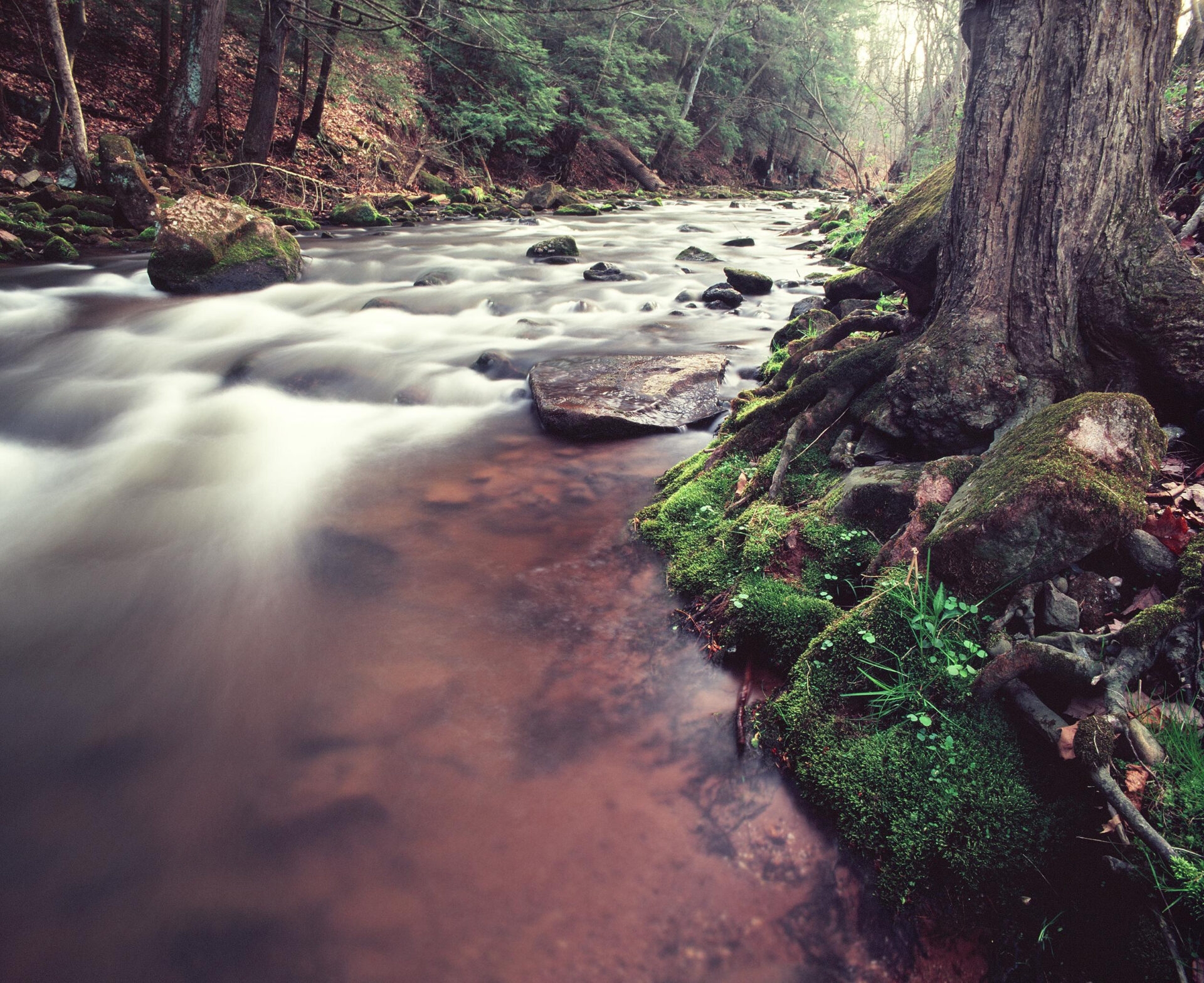
Every acre we save cleans and cools the air we breathe, soaks up floodwaters, provides wildlife with habitat, filters the water we drink, and brings humans improved health and joy.
volunteer
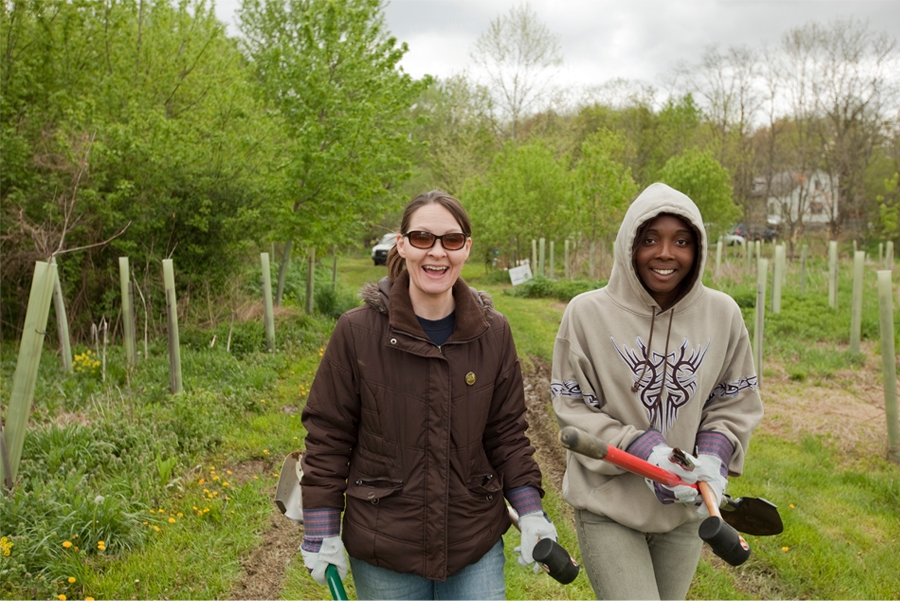
Give a few hours at an organized volunteer event, sign-up with friends, or make an ongoing commitment through one of our special training programs.