


bird conservation
The songbirds, raptors, waterfowl, and shorebirds—about 300 recorded species—that rely on habitats under Natural Lands care are not just beautiful but also essential to the health of our planet. What’s more, they are environmental indicators, warning us of climate shifts and other ecosystem changes.


grassland birds
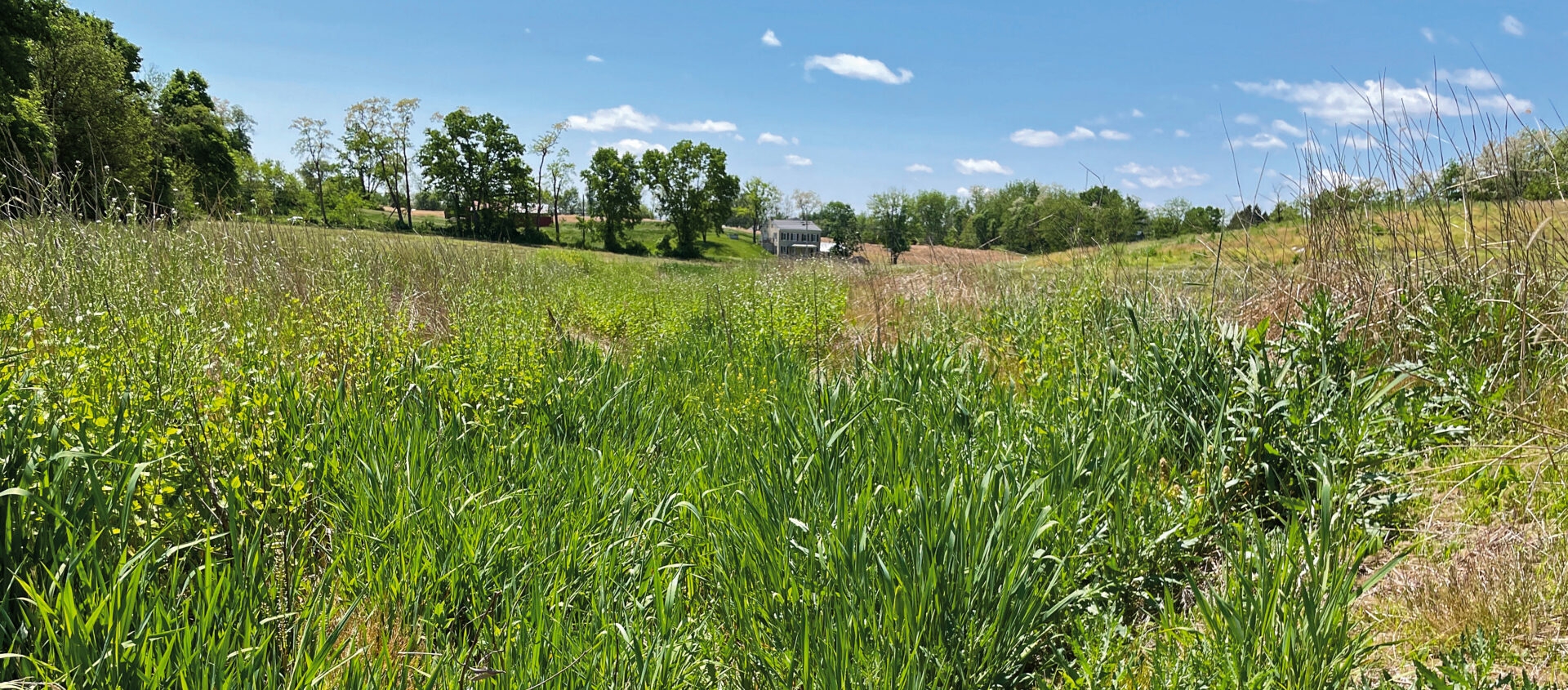
Researchers estimate many grassland bird species have lost more than half their population since 1970. With the decline of native prairies and meadows, these species have adapted well to hayfields and pastures. However, as more farms are lost to development, grassland species are struggling to survive.
Fortunately, the meadows and farm fields of Natural Lands’ preserves are ideal nesting habitat for ground-nesting birds. That is, of course, unless the land is mowed before the baby birds have fledged. All Natural Lands properties with native grassland or farmland are managed through delayed mowing practices with a ‘no-mow before’ date of July 15th. Natural Lands also closes a handful of trails that traverse meadows used as nesting sites for these threatened species during breeding season.
Natural Lands has joined up with Willistown Conservation Trust to partner on the Grassland Bird Collaboration.
learn more about this program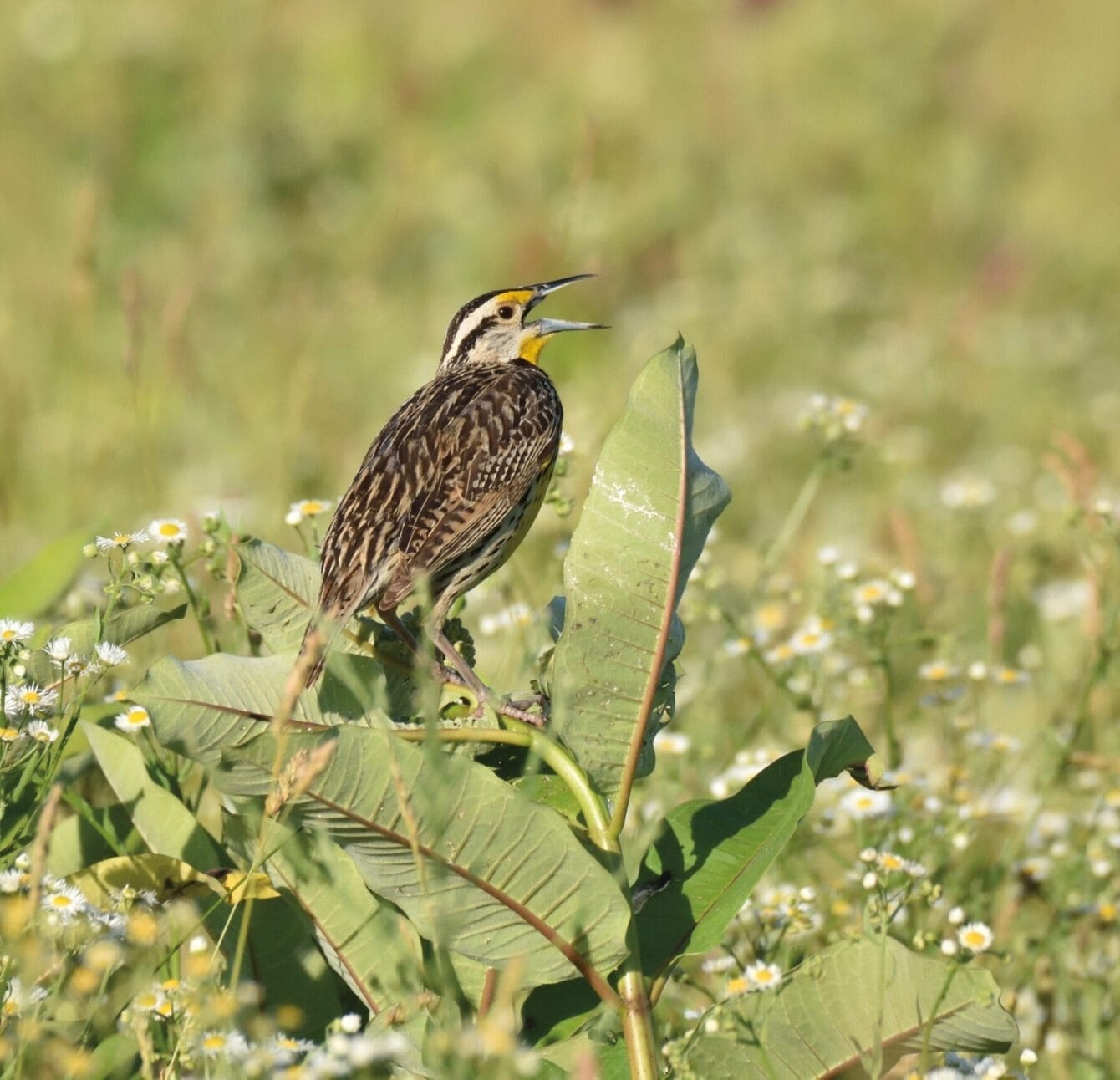
Eastern Bluebirds
Eastern Bluebirds were once as common as American Robins are today. Their numbers dropped drastically in the middle of the last century as farming practices changed and open space was lost to development.
Bluebirds prefer open meadows, which offer an abundance of insects that constitute the majority of their warm-weather diet. They build their nests in cavities, but their beaks are not strong enough to excavate their own nests, so they re-use cavities created by other birds like woodpeckers.
Most of Natural Lands’ 40+ nature preserves and one public garden include some meadow habitat, ideal for bluebirds. To give them a helping hand, we’ve installed more than 300 nest boxes on our properties.
view a downloadable guide to helping bluebirds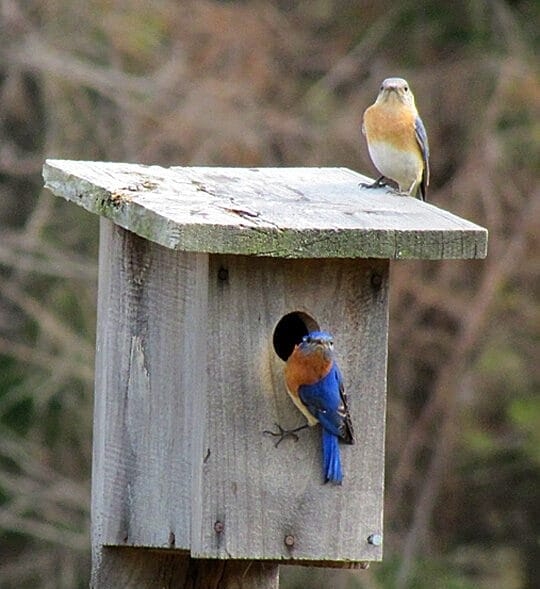
Motus
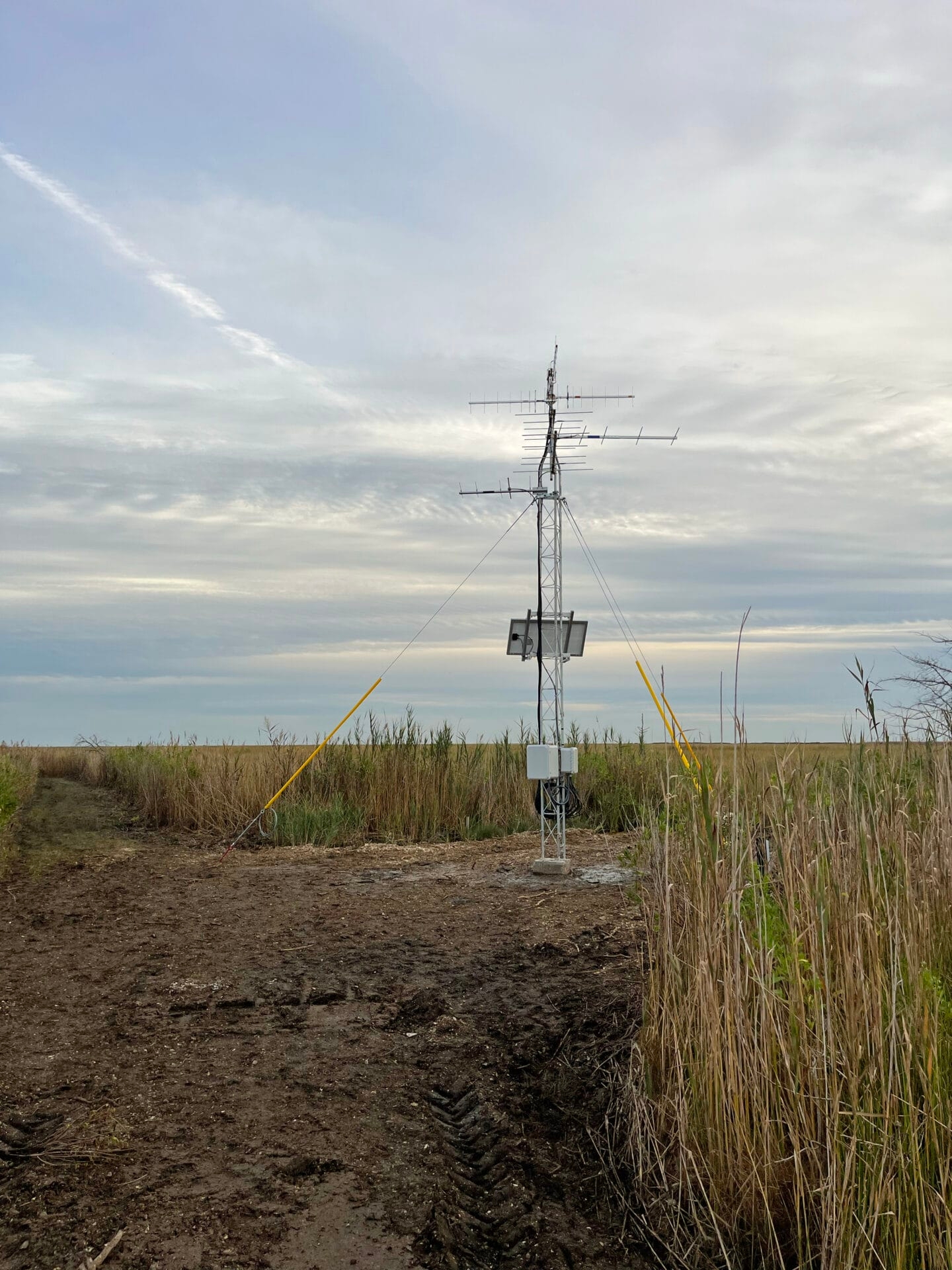
Created by the nonprofit organization Birds Canada, Motus (the Latin word for movement) is an international community working together to study the movement and behavior of birds, bats, and insects. These creatures are tagged with miniaturized transmitters that give off unique radio frequencies in short bursts. The tags “ping” when in proximity to Motus stations placed across the world. Currently, there are 2,000+ towers in 34 different countries—including stations at Gwynedd Preserve and Glades Wildlife Refuge.
The tiny tags are appropriately sized for each type of animal and stay in place with lightweight harnesses. Wildlife safety and quality of life is paramount; tagging equipment must not amount to more than three percent of the animal’s body weight.
Birds are biological barometers that can reveal the health of our natural areas. Because they are sensitive to environmental shifts, their presence and diversity can signal intact, high-functioning ecosystems that might otherwise look unremarkable. What’s more, tracking bird migration patterns allows researchers to identify “climate refugia”—areas that remain stable enough to support life as other habitats degrade due to temperature changes and extreme weather events.
American Kestrels
The American Kestrel is North America’s smallest and most colorful falcon. Once a common sight in our region, they have declined more than 80 percent in the last half-century. Today, they are considered “threatened” in New Jersey and a species of “special concern” in Pennsylvania. Experts believe the decline may be related to the loss of large, high-quality, grassland habitat—which the birds rely on for hunting rodents and other small prey—and the lack of suitable nesting sites.
Kestrels build their nests in old woodpecker holes or natural cavities in dead or dying trees. As land is developed, these birds lose essential nesting sites. Fortunately, they readily use man-made boxes when constructed and located properly.
Natural Lands has installed several kestrel nest boxes at our preserves and record fledging young—more than 50 annually. We also have a policy of leaving dead and dying trees standing—provided they aren’t located near buildings, roads, or trails—so they can offer nesting options for American Kestrels and many other cavity-nesting species as their wood decays.
learn more about kestrel conservation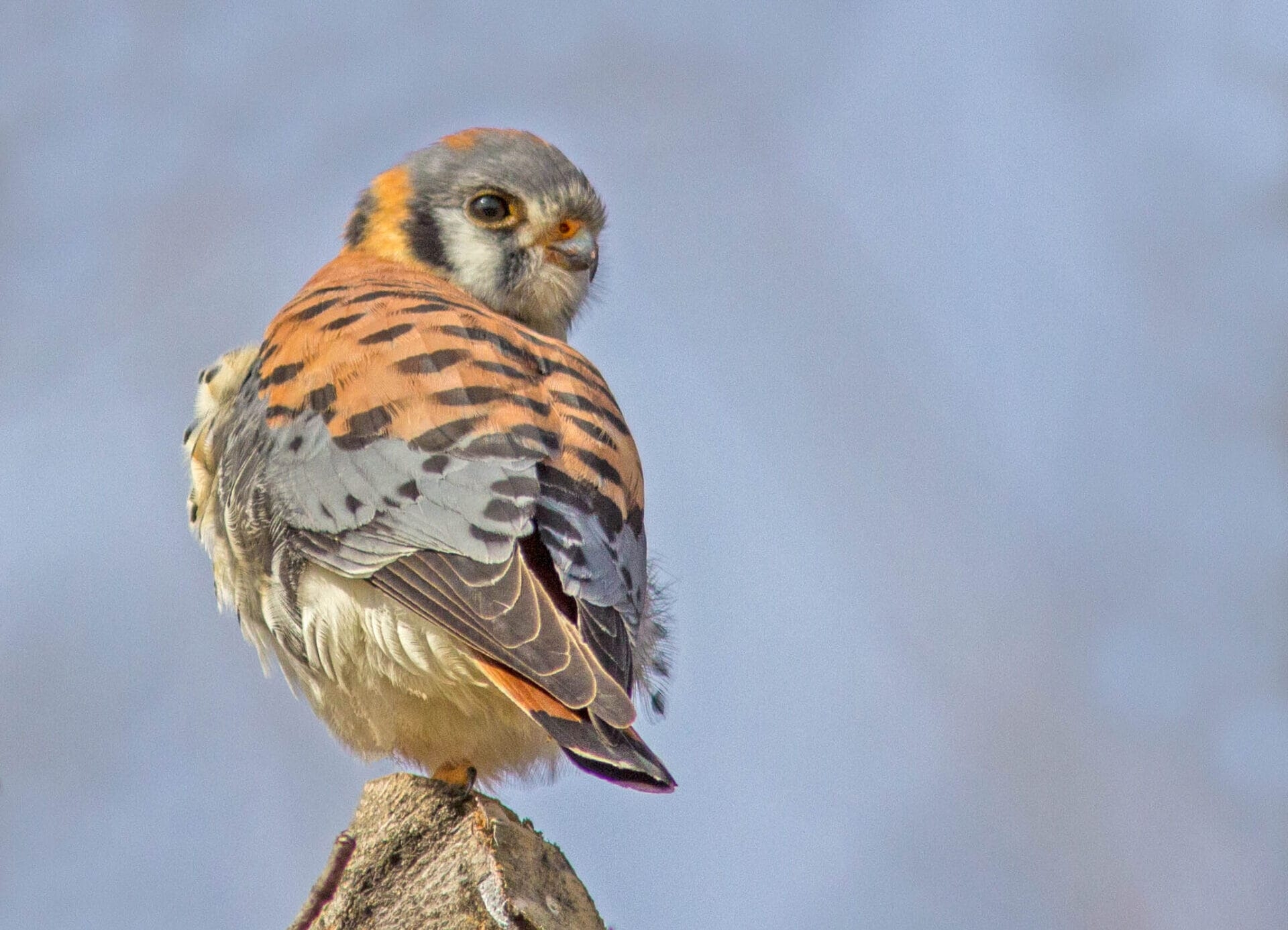
 All of Natural Lands’ nature preserves and public garden are listed as “hotspots” on eBird.org, an online database of bird observations that allows birdwatchers to share their sightings and provides scientists and researchers with real-time data about bird distribution and abundance.
Search for a preserve or Stoneleigh to view species sitings and add your own observations.
conserve your land
Interested in learning more about how a conservation easement may help you preserve your land and even save you money?

other resources
Free, downloadable guides to help you learn more about the natural world around you and how to help care for it.
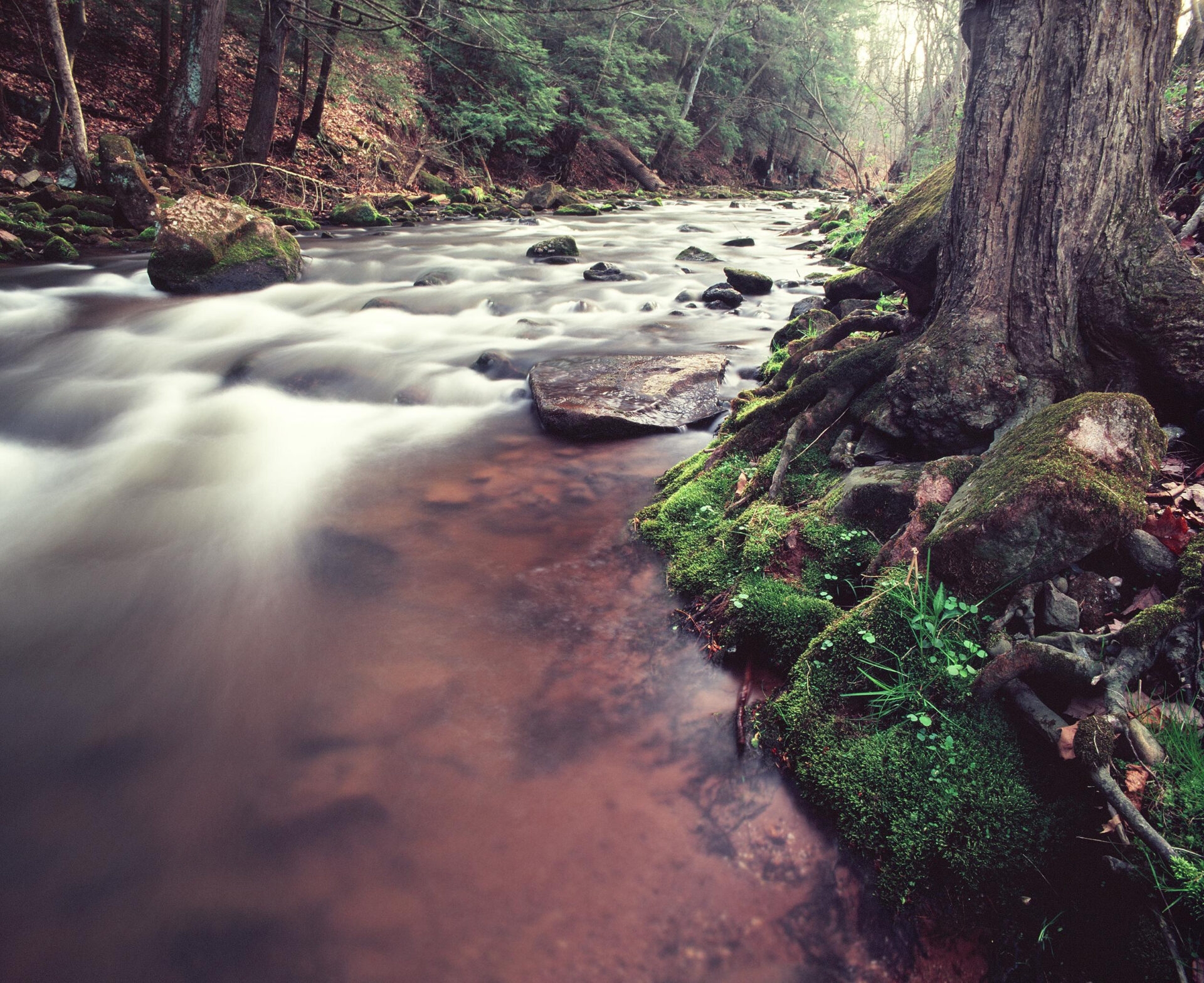
why protecting land matters
Every acre we save cleans and cools the air we breathe, soaks up floodwaters, provides wildlife with habitat, filters the water we drink, and brings humans improved health and joy.