


can pollinator gardens make a difference?
July 23, 2026


Hummingbird Moth on wild bergamot | photo: David Brandes
By Tanya Dapkey, Natural Lands NextGen Council member
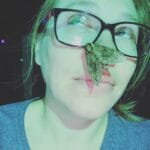
Photo by Tanya Dapkey
As biodiversity declines and pollinators face growing pressures from habitat loss, pesticides, invasive species, and climate change, our gardens have never been more important. With much of the natural landscape now developed, home gardens can serve as valuable sanctuaries for wildlife. By planting a pollinator garden, you too can help restore habitat and provide the nectar, pollen, shelter, and nesting sites that bees, butterflies, hummingbirds, moths, and other pollinators need to thrive. These small actions can make a meaningful difference in supporting local ecosystems while contributing to the health of our food supply.
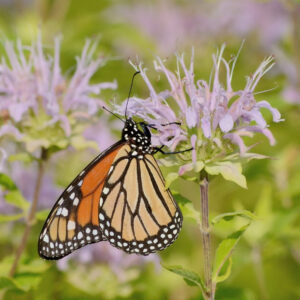
Photo by Bill Moses
Pollinator gardens seem to be a hot topic on many social media platforms these days. I see a lot of influencers showing off lovely meadows and small gardens full of flowers and discussing the benefits of pollinator gardens. I have one myself. As an entomologist and an avid gardener, one of my favorite reasons for gardening is discovering how many different insect species I can bring into my own backyard. A bonus for me this year was finally seeing a hummingbird moth in my garden! I have taken a lot of inspiration from the gardens and open spaces I find while I visit Natural Lands. Thanks to a summer visit to Hildacy Preserve, I am now planning on planting wild bergamot (Monarda fistulosa).
Starting a garden can feel overwhelming, especially if you’ve never gardened before. Over the years, I’ve found that my garden thrives when I work with nature rather than trying to constantly tidy or control it. Small practices, such as leaving fallen leaves and mulching them into the lawn or creating brush piles from dead wood at the edge of my property, provide valuable habitat for wildlife. A garden should be more than just beautiful. It should provide habitat and food for insects and wildlife, since insects are the foundation of healthy ecosystems. When insects thrive, they support birds, reptiles, amphibians, mammals, and ultimately people. One of the first steps I took was removing invasive plants. Rather than sending the weeds to the landfill, I let them dry out and then add them to my compost as a source of carbon-rich “brown” material.
Whenever possible, I also choose native plants, knowing that these simple actions can make a meaningful difference for pollinators and other beneficial species. Over time, I’ve also gradually reduced the size of my lawn. For every square foot of turf I remove, I try to replace it with at least one native plant, creating a landscape that is both more diverse and more supportive of pollinators and other wildlife.
Most of the gardens on Instagram are flourishing with lots of flowers and bees and they were started in the spring. Now that it’s full summer the options are limited, but not to worry! I find that making plans ahead of time actually helps me feel less overwhelmed. But if you want to start now, here are some summer tips….
- Let your herbs and other plants flower
- Plan where you’ll add plants this fall
- Avoid using any kind of broad-spectrum insecticides
- Leave some bare soil for ground-nesting native bees
- Provide a shallow water source with stones for landing spots
For the fall, you can plant some new plants from late August to mid-October. You want those plant roots to get established before the first frost and many native plants establish roots exceptionally well when planted in fall. It’s been a very hot summer, and one of the benefits of waiting till the fall is that the cooler temps reduce plant stress, and rainfall is a bit more common.
Some ideas for native pollinator plants you can add to your garden in the fall. If you want blooms right away, find plants. But, if you are patient, plant seeds and they will pop up next year.
- Asters
- Goldenrods
- Monardas
- Rudbeckias
A list of places you can find native plants right here in PA. Start planning for spring now. Plan to shop at the Stoneleigh Native Plant Sale in April of 2027.
Happy gardening!
next post


curious caterpillars of Pennsylvania
July 21, 2026
The different butterfly and moth species of Pennsylvania
