Leaves Of Three Or Leaves Of Five?
June 10, 2024
This article is from the naturalists and conservation professionals at Natural Lands, the Greater Philadelphia region’s oldest and largest land conservation organization, working to protect open space and connect people to nature since 1953.
Both Virginia creeper (Parthenocissus quinquefolia) and eastern poison ivy (Toxicodendron radicans) are native vines that benefit insects, birds, and other wildlife. However, the latter tends to produce an allergic response in most people and isn’t recommended for spaces where you are likely to come into contact with it.
Let’s take a closer look so we can tell them apart.
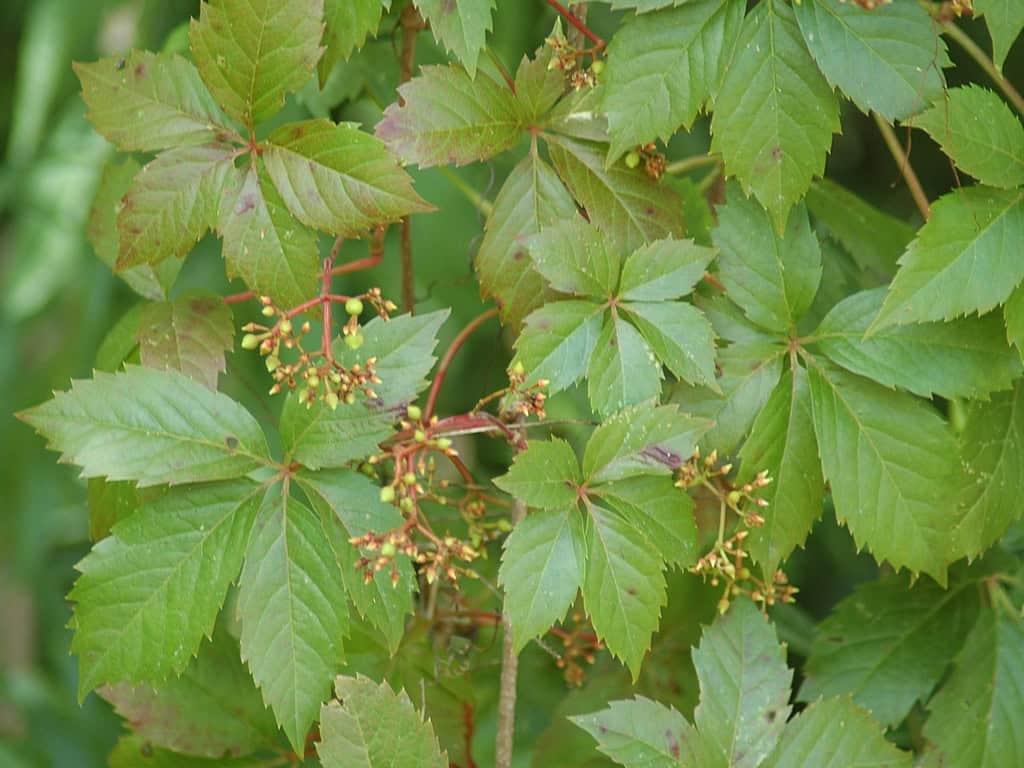
Photo from Wikipedia
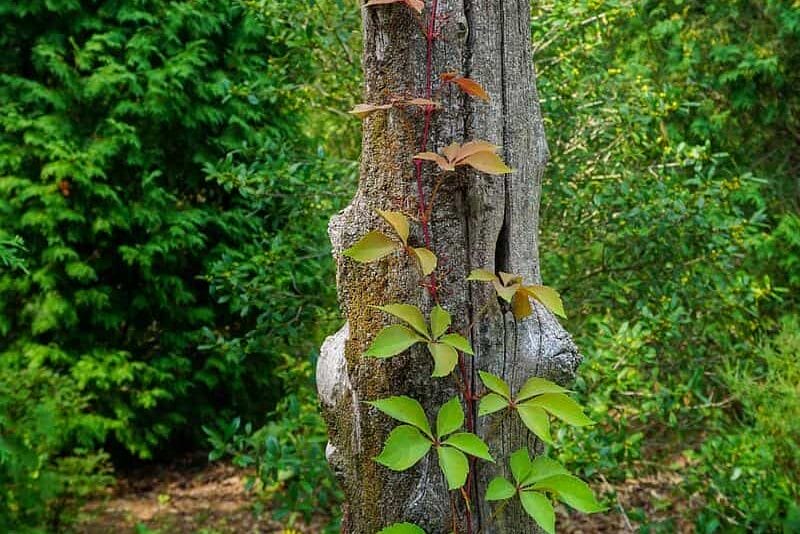
Virginia creeper has five leaflets (“Leaves of five, let it thrive”) that are “toothed” or jagged at the edges. The sap produced by the leaves and stem contain raphides, needle-shaped calcium oxalate crystals, which can cause skin irritation in some people who are sensitive to it. However, the plant doesn’t produce urushiol like poison ivy does. Leaves turn crimson in the fall.
The vine adheres to vertical surfaces with adhesive pads and will not damage masonry walls.
Berries produced in the fall are consumed by woodpeckers, warblers, mockingbirds, and more. What’s more, Virginia creeper is a host plant for dozens of native insects including the Virginia Creeper Sphinx Moth.
Eastern poison ivy is actually not a true ivy, despite its name. It will vigorously climb trees by rootlets; both the leaves and furry roots of the plants contain urashiol, a clear liquid that produces an itchy rash in people who are allergic to it.
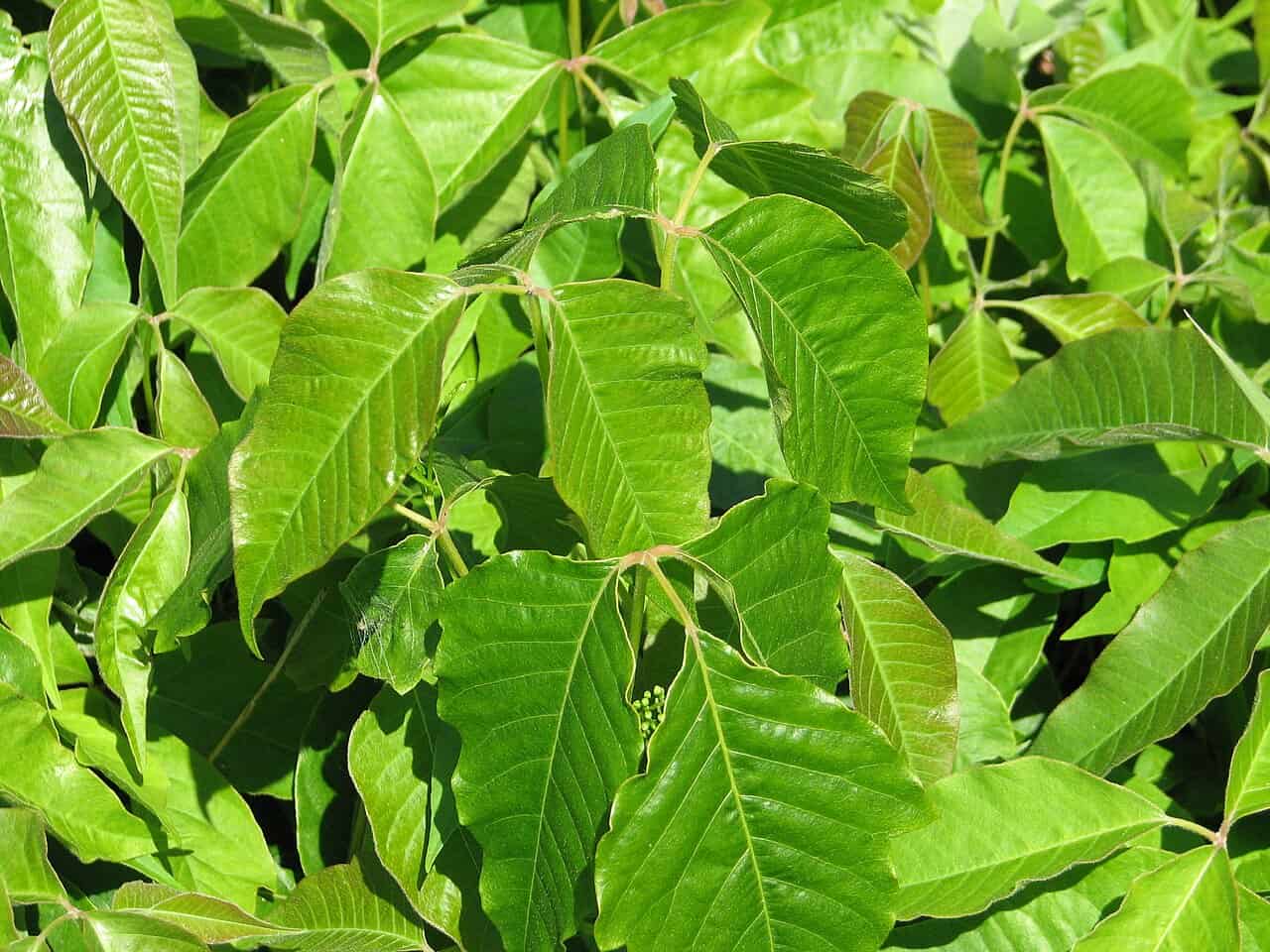
Photo from Wikipedia
Poison ivy has three leaflets (“Leaves of three, let it be”) that are not “toothed.” Like Virginia creeper, the leaves turn red in autumn.
Though considered a nuisance to most, poison ivy feeds myriad birds and other wildlife, who are not bothered by urashiol. Norther Flicker, Northern bobwhite, Eastern Phoebe, Cedar Waxwing, woodpeckers, and more consume the berries in fall and winter.
Explore the Natural World with Natural Lands
Since 1953, Natural Lands has worked to save open space, care for nature, and connect people to the outdoors. As the Greater Philadelphia region’s oldest and largest land conservation organization, Natural Lands has preserved 140,000 acres, including a network of 40+ nature preserves and one public garden totaling 24,000 acres. Today, 5 million people live within five miles of land under Natural Lands’ permanent protection.
Get outside and explore.
Natural Lands’ nature preserves are free and open to the public, with more than 120 miles of trails to discover. Looking for a place to start? Visit a Natural Lands preserve or explore Stoneleigh: a natural garden, open Tuesday through Sunday from 10 AM to 5 PM, with free admission.
Keep nature thriving.
Natural Lands is a member-supported nonprofit, and your support helps protect important landscapes, care for wildlife habitat, and keep natural spaces accessible. Become a member or make a gift.
Heading out on a trail and want to tell poison ivy from Virginia creeper? Find a Natural Lands preserve near you.
next post
Got Kestrels?
June 7, 2024
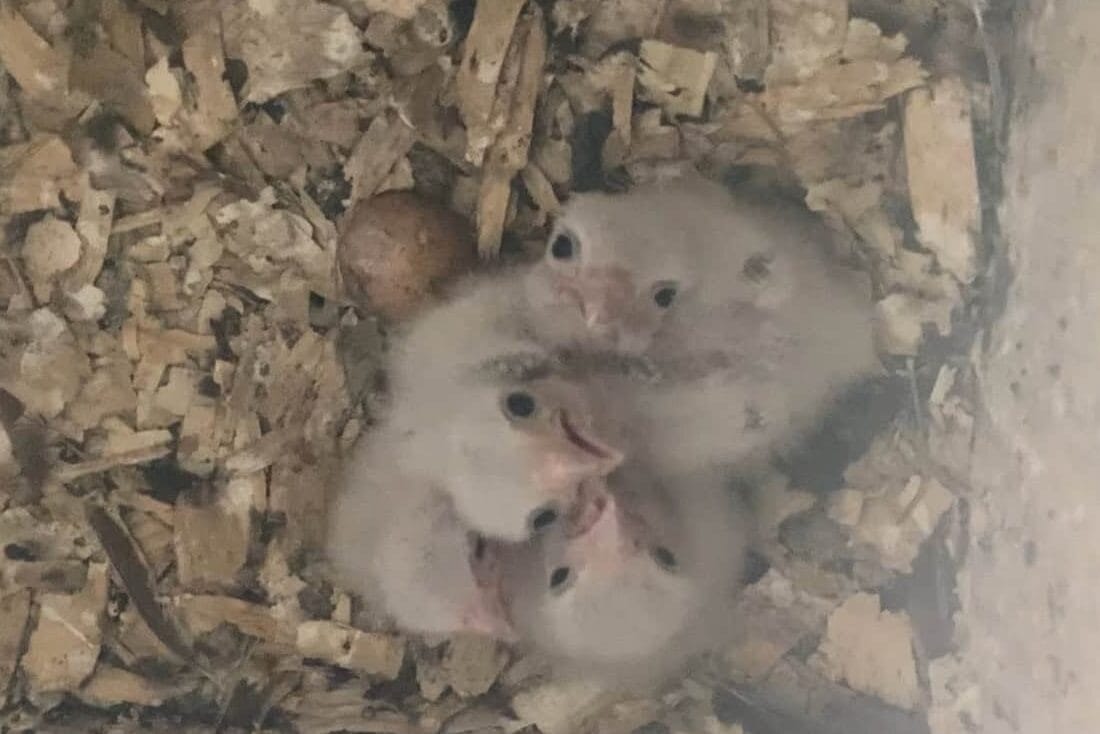
By Daniel Barringer, Preserve Manager. We are so very excited to announce the arrival of some babies at Crow’s Nest! For the first time in […]
continue reading