Fungi: The Hidden Kingdom
November 24, 2026
This article is from the naturalists and conservation professionals at Natural Lands, the Greater Philadelphia region’s oldest and largest land conservation organization, working to protect open space and connect people to nature since 1953.
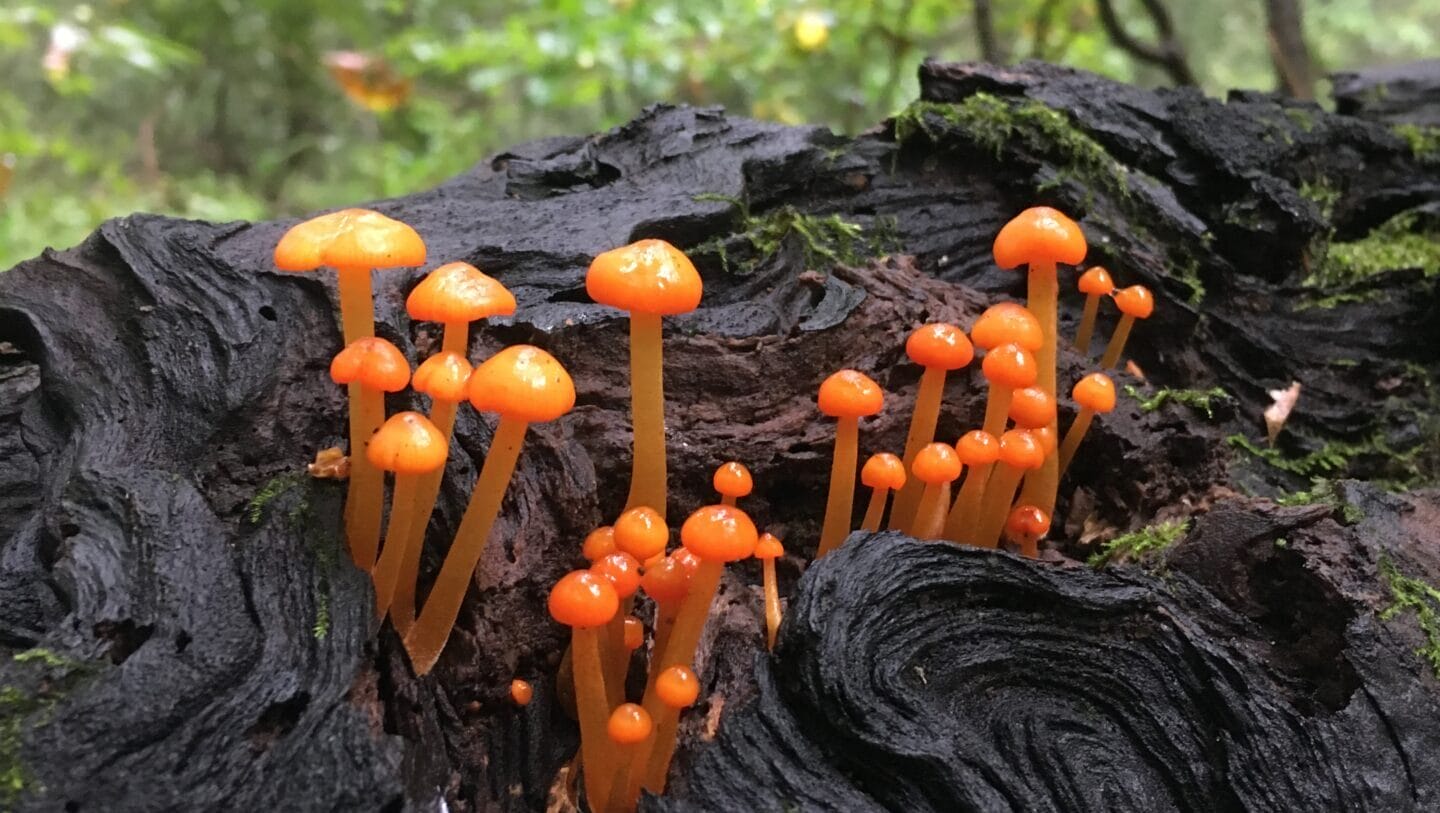
Fungi have long been a source of fascination for humans for their many shapes, sizes, and uses. From mushrooms the size of a basketball to molds only visible by microscope, the diversity among Pennsylvania’s fungi is remarkable with more than 7,000 species identified in the state and potentially hundreds more to still be discovered. While some people may mistake fungi for plants, fungi are in their own kingdom and cannot photosynthesize. Instead, fungi are primarily decomposers, breaking down wood and other organic matter. In fact, fungi are the major decomposers in nearly every ecosystem on Earth.
decomposers
Breaking down wood is no easy task, but it is an important component of healthy forests. Trees are held up by sturdy cell walls composed of complex structural compounds called cellulose and lignin. While cellulose can be broken down by the digestion processes of wood-boring and wood-eating insects, mushrooms are thought to be the only major organism that can break down the lignins in cell walls of trees. Without this decaying function of fungi, the nutrients required to grow new plants would be unavailable to the next generation.
hen-of-the-woods
Many mushrooms have specialized relationships with their hosts and one of the most recognizable in our region is hen-of-the-woods (Grifola frondosa), also known as maitake. This large polypore mushroom grows at the bases of mature oak trees and is a beloved favorite of mushroom foragers across the world. The fruiting bodies of these delicious mushrooms can grow up to two feet wide and weigh more than 20 pounds, though the largest specimens ever recorded weighed more than 100 pounds!
lichens
Lichens are an underappreciated group of organisms, both for their diversity of colors and shapes and for their complexity. Often mistaken for mosses, lichens are actually composite organisms made of algae or cyanobacteria growing among fungal filaments. These organisms live together symbiotically, each benefiting the other by providing shelter, moisture, or food. The components of each lichen give them unique appearances, leading to incredible diversity among the 20,000 known species of lichen. Lichens are vital to nutrient cycling and provide important food for other living things, so much so that they are considered keystone species in some ecosystems. As if we didn’t lich-en them enough before!
edible mushrooms
Did you know that the part of the mushroom you eat is called the fruiting body? Most of a mushroom’s structure lives underground as thread-like filaments called hyphae, which together form the mycelium. When conditions are right, the fruiting body emerges to release spores, and this is what we harvest for food. With a high demand worldwide, most mushrooms that we eat are grown on mushroom farms. While China is the largest exporter of edible mushrooms, Kennett Square, a neighboring town just up the road, produces 60 percent of all edible mushrooms grown in the U.S. If you want your mushrooms to come from even closer to home, consider using a mushroom growing kit to grow your own oyster, wine cap, or lion’s mane mushrooms, indoors or out.
poisonous mushrooms
Foraging for mushrooms can be a fun outdoor activity but just look at the names of some of our local mushrooms and it becomes clear that not all mushrooms are for eating. The destroying angel, death cap, funeral bell: all of these are mushrooms found in Pennsylvania that can cause severe gastrointestinal distress, liver damage, and even death. So, collect mushrooms with care and always confirm your mushroom identification before eating.
foraging
Growing and foraging your own food has become increasingly popular in recent years as people look for ways to reduce their carbon footprint, better understand their food, and reconnect with nature. Many of Pennsylvania’s state parks and forests permit responsible foraging of plants, fruits, and fungi for personal use. Please note that foraging is not permitted at Stoneleigh or any Natural Lands preserves.
Explore the Natural World with Natural Lands
Since 1953, Natural Lands has worked to save open space, care for nature, and connect people to the outdoors. As the Greater Philadelphia region’s oldest and largest land conservation organization, Natural Lands has preserved 140,000 acres, including a network of 40+ nature preserves and one public garden totaling 24,000 acres. Today, 5 million people live within five miles of land under Natural Lands’ permanent protection.
Get outside and explore.
Natural Lands’ nature preserves are free and open to the public, with more than 120 miles of trails to discover. Looking for a place to start? Visit a Natural Lands preserve or explore Stoneleigh: a natural garden, open Tuesday through Sunday from 10 AM to 5 PM, with free admission.
Keep nature thriving.
Natural Lands is a member-supported nonprofit, and your support helps protect important landscapes, care for wildlife habitat, and keep natural spaces accessible. Become a member or make a gift, and learn more about the organization’s conservation impact here.
next post
White Oak: A Long-Lived Hardwood
November 24, 2026
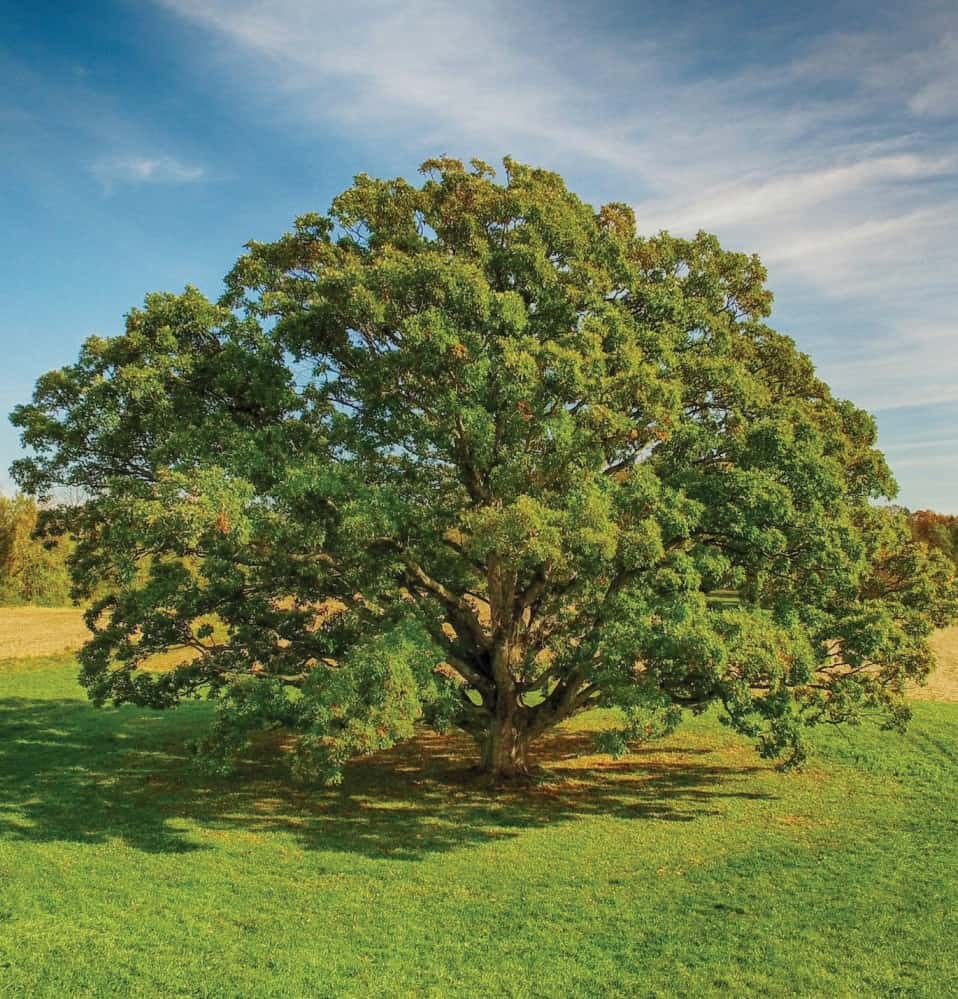
by Anthony D. Fredericks, guest blogger White oaks (Quercus alba) are extant throughout eastern and central North America. As such, they also populate every Natural […]
continue reading