Crow’s Nest Scat Lab
January 27, 2023
This article is from the naturalists and conservation professionals at Natural Lands, the Greater Philadelphia region’s oldest and largest land conservation organization, working to protect open space and connect people to nature since 1953.
By Molly Smyrl, Environmental Educator.
How do you get a group of High School students excited to learn about animal scat? By having them make it in edible form, of course!
Those who are familiar with our annual Edible Scat Fundraiser may not find the idea of chocolate scat that strange, but many of the students in the “Ecology: Temperate and Tropical Ecosystems” class at Owen J. Roberts High School didn’t know what they were in for when they boarded the school vans to come to Crow’s Nest for a lab! You can imagine the looks of confused horror on their faces when they found out they were going to be making edible animal poop!
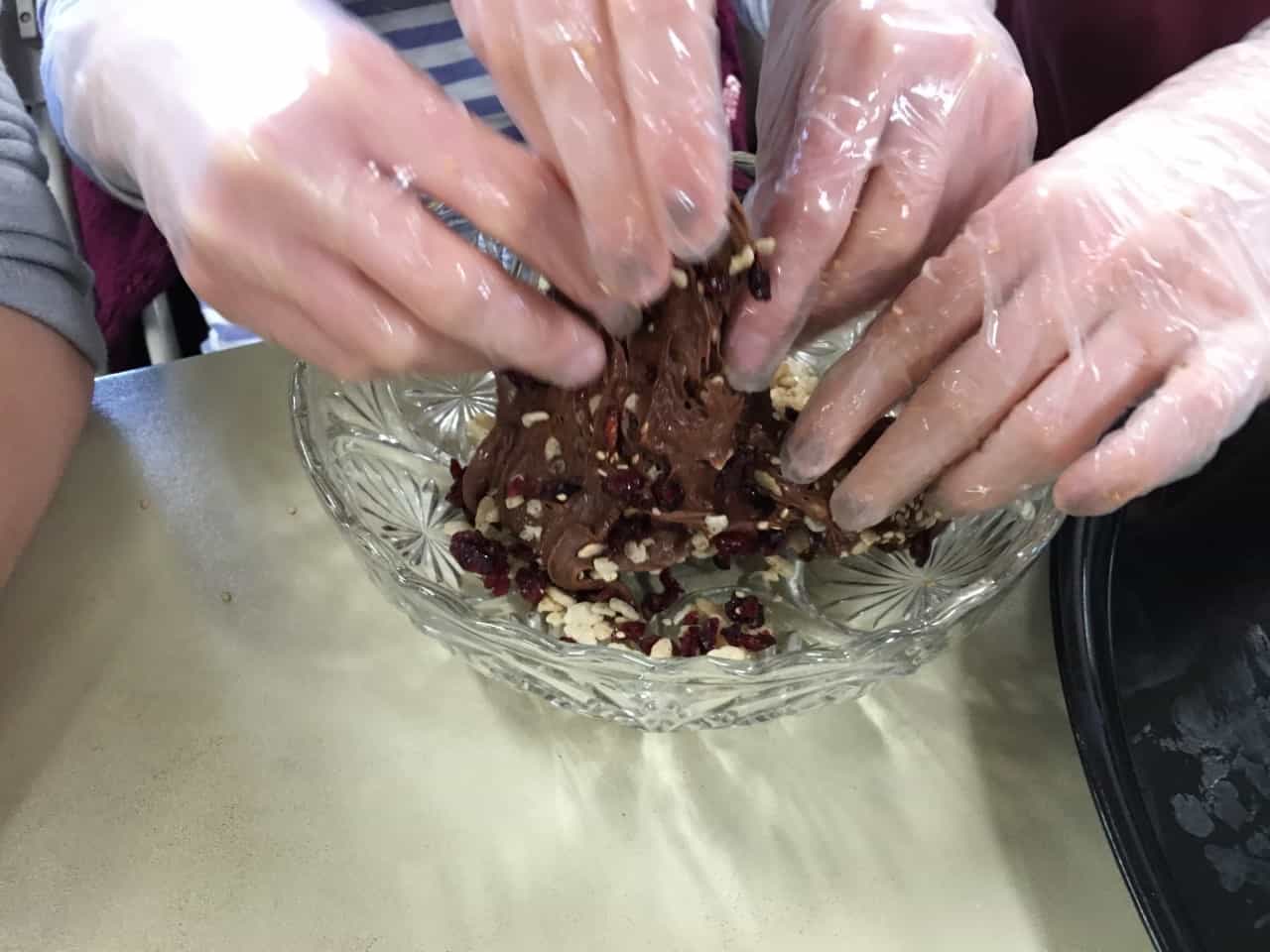
Photo by Laura George
Once the students got over their initial surprise, we did a brief introduction on why scat ID is an important skill for tracking wildlife, and reviewed some of the criteria they would need to consider when trying to identify scat in the field: How much scat is there? What shape is it? Where in the landscape was it found? What’s in the scat—does it have animal fur or plant seeds or insect exoskeletons in it?
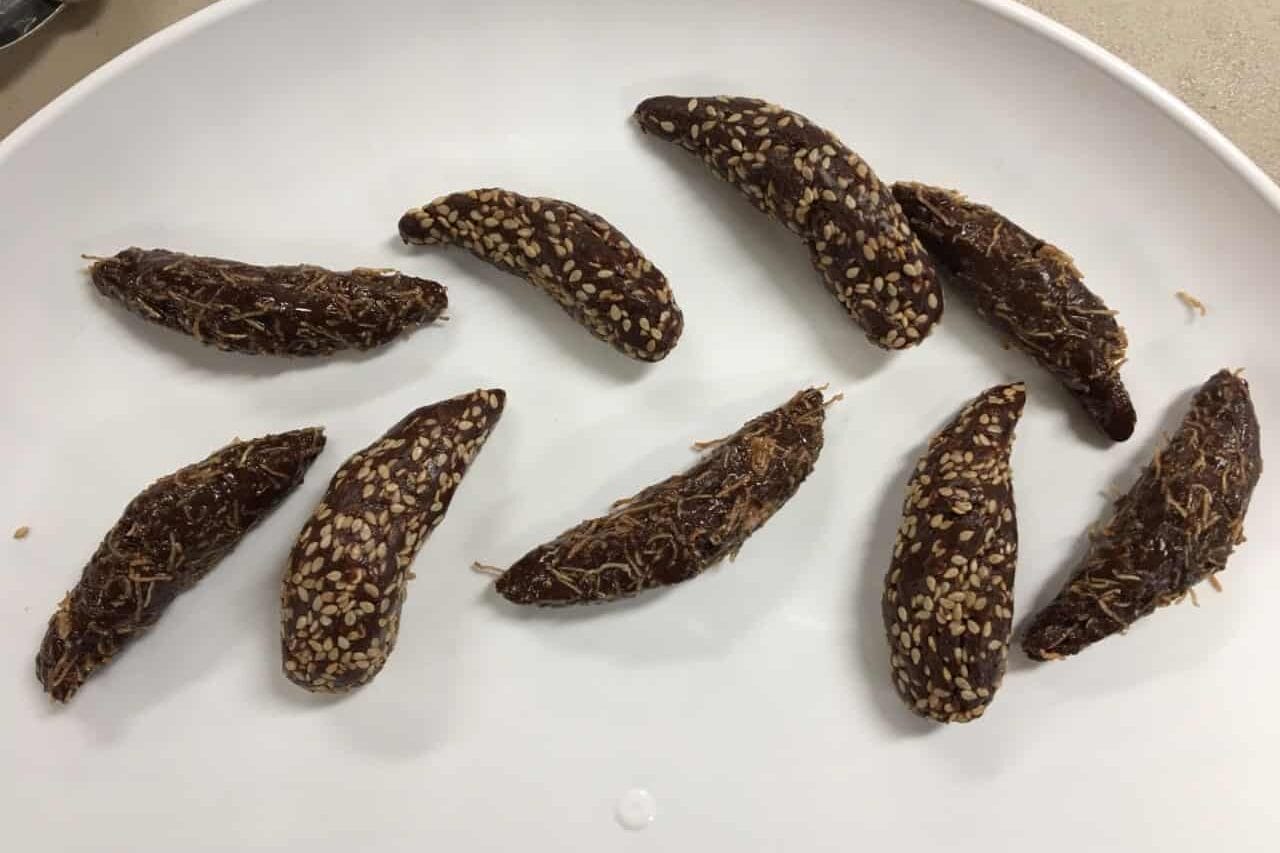
After covering the basics, we got started making scat from various animals found in our region. Some of the scat was types that the students would be most likely to find in the field, including deer, fox, raccoon, and Canada Goose. We also covered several less-common species including coyote, black bear, river otter, beaver, turkey, skunk, and porcupine.
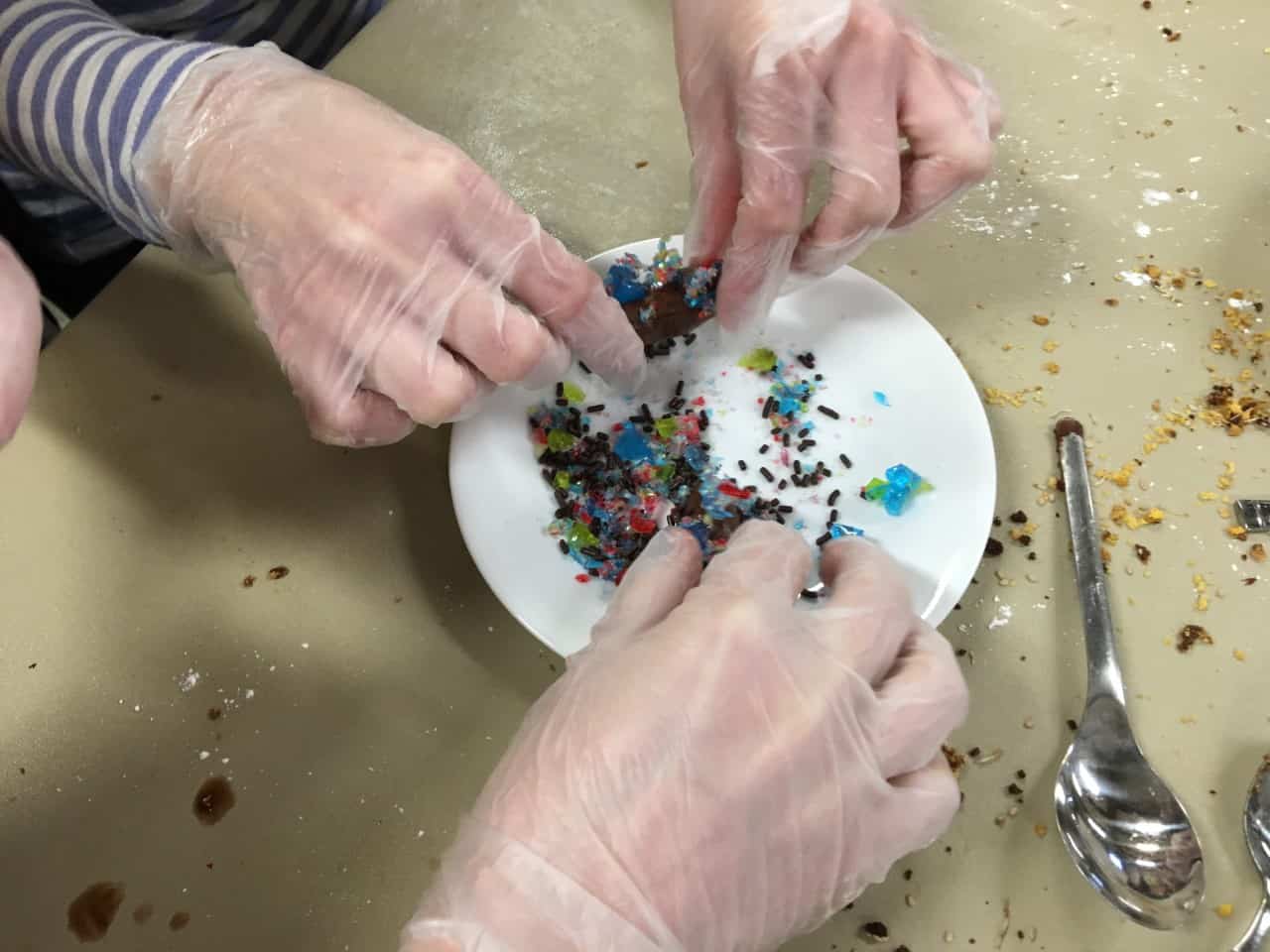
Photo by Laura George
The students had the chance to add in any “extras” to the scat (such as shredded wheat to represent animal fur, or sesame seeds to represent berry seeds) and then to shape each type of scat. Hopefully, this hands-on experience with the different scat types will help them identify scat for a class project later this month.
The lab ended, of course, with tasting the different kinds of scat we made—a step they were reminded not to try when they find scat out in the field!
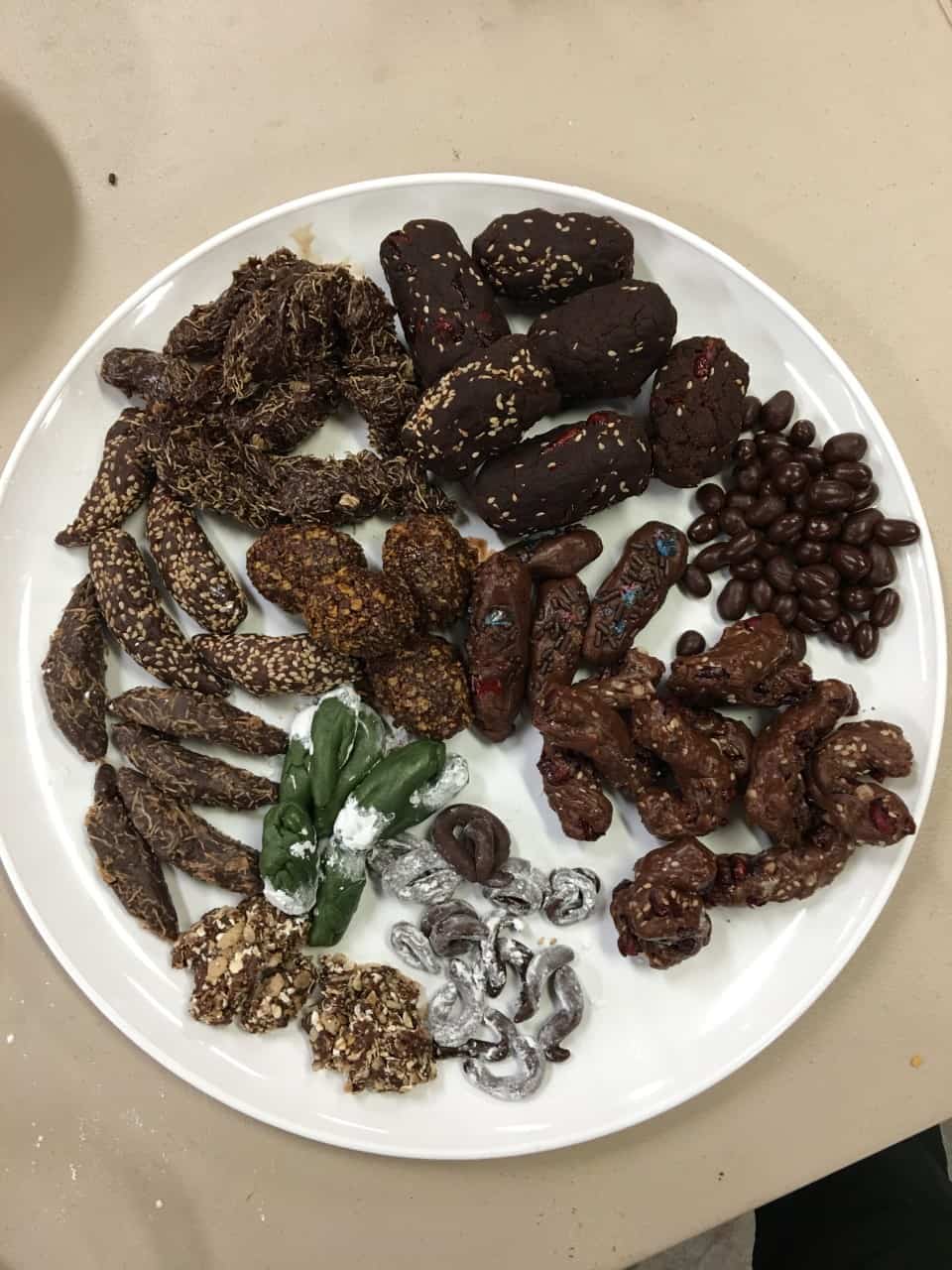
Photo by Laura George
Explore the Natural World with Natural Lands
Since 1953, Natural Lands has worked to save open space, care for nature, and connect people to the outdoors. As the Greater Philadelphia region’s oldest and largest land conservation organization, Natural Lands has preserved 140,000 acres, including a network of 40+ nature preserves and one public garden totaling 24,000 acres. Today, 5 million people live within five miles of land under Natural Lands’ permanent protection.
Get outside and explore.
Natural Lands’ nature preserves are free and open to the public, with more than 120 miles of trails to discover. Looking for a place to start? Visit a Natural Lands preserve or explore Stoneleigh: a natural garden, open Tuesday through Sunday from 10 AM to 5 PM, with free admission.
Keep nature thriving.
Natural Lands is a member-supported nonprofit, and your support helps protect important landscapes, care for wildlife habitat, and keep natural spaces accessible. Become a member or make a gift, and learn more about the organization’s conservation impact here.
next post

New Garden Golf Course to Become Public Park
January 25, 2023
MEDIA, Pa., January 25, 2023 – Natural Lands announced today the preservation of approximately 106 acres in New Garden Township, Chester County. The land, formerly […]
continue reading